Non Gamstop Casinos, £10 Deposit: Entry Terms
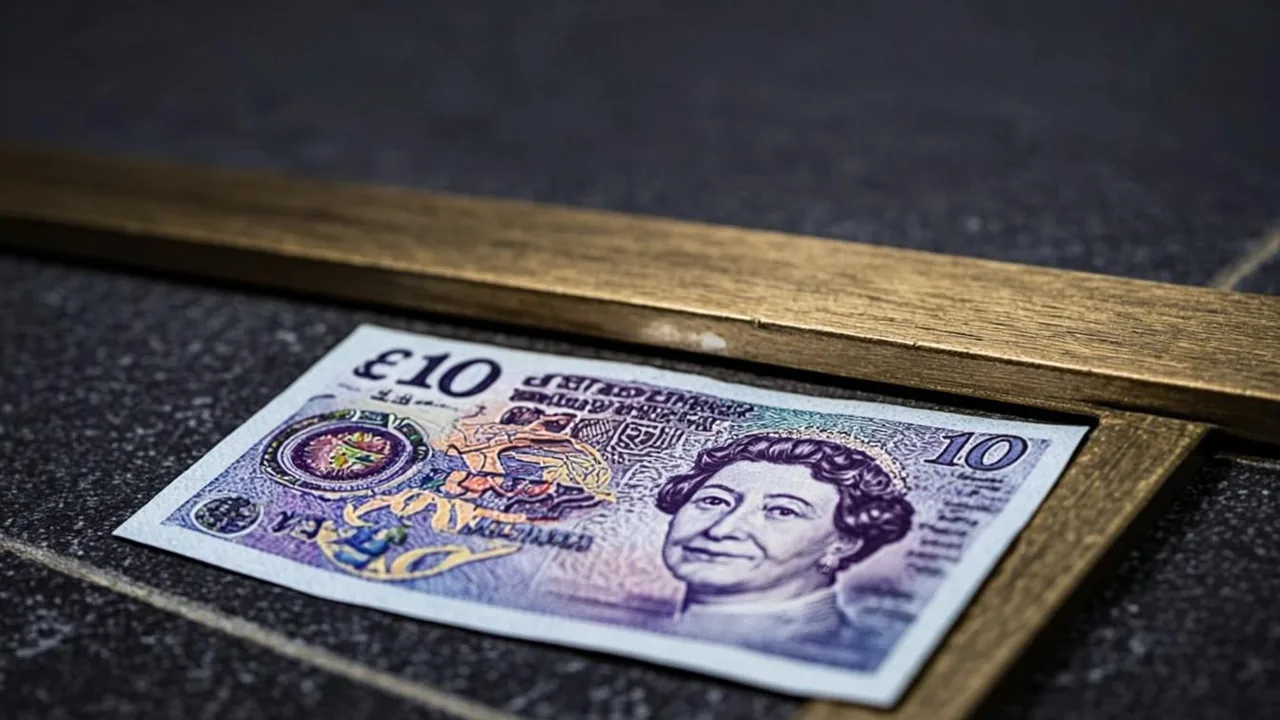
A tenner clears at nearly every offshore rail, and the differences appear one step later, in the bonus terms and the cash-out floor.

The board
Ranked by our editorial score — licence transparency, payment clarity, terms fairness and withdrawal behaviour.
Scorecards carry our editorial score and the headline terms the operators publish. Offers change often — the operator’s own page is always the current truth.
 8.2/ 10
Casino welcome bonus 805% up to €6,400 + 280 FS
 8.0/ 10
Welcome bonus €/£5,000 + 500 FS
 7.8/ 10
Welcome pack €5,000 + 500 FS + €650 free bet
 7.5/ 10
Welcome package 300% up to €/£1,000 + 150 FS
Cards appear in score order. Scores are editorial, terms change often, and nothing here is a recommendation to gamble. Read the operator’s own terms before you claim anything.
Why £10 is the offshore default
Cheap doors survive because offshore economics reward them. Without a British licence's fixed compliance overheads, operators can accept small deposits and still cover costs, so minimums cluster low — commonly £10, sometimes £5 at the thinnest tier, rarely higher for a first deposit. The default exists for the operator's benefit as much as yours: low doors widen the funnel. But the practical effect is real, and it is the reason a £10 entry is the market's standard opening handshake rather than a special request.
Licence first, because it decides the rulebook everything else runs on. An offshore licence is the operator's own travel document: it clears the company to run a casino wherever it advertises, and it puts a named entity on a register you can check. Nothing in it stamps your protections into the entry hall. Deposit limits, exclusion registrations and bank-side blocks do not arrive with the licence; they arrive with you, which is why the first-deposit test at the end of this page matters more than the deposit size itself.
What a tenner buys depends on where you stop reading. At the cashier it buys a funded account, nearly universally. At the bonus page it buys a percentage that varies wildly, because minimum qualifying deposits for offers commonly sit above the minimum deposit itself. At the withdrawal page it buys a balance that may sit below the cash-out floor. Three pages, three different answers to the same ten pounds — and this page walks all three in order, because the differences the standfirst promises live exactly there.
Rails that clear a tenner
Nearly every rail takes it. Debit cards clear instantly through the standard 3-D Secure prompt; the large e-wallets clear instantly after login; open-banking transfers clear through your banking app; prepaid vouchers clear at the value bought; crypto clears after network confirmations, which at busy times can mean a wait the other rails never impose. For £10 specifically, the only rails that occasionally stumble are crypto — where network fees can eat a visible slice of a small transfer — and certain card products, whose issuers decline gambling categories by policy.
Small deposits expose rail fees that larger ones hide. A flat transaction fee that is noise on £100 is ten percent on £10; a currency conversion spread matters more at small sizes for the same reason. Cards are usually fee-free at offshore cashiers; wallets commonly charge a small deposit percentage at some sites; vouchers sell at face value but cannot receive withdrawals; crypto costs a network fee per movement. At ten pounds, the fee table is not fine print — it is a significant fraction of the deposit.
Withdrawal capability separates the rails more sharply than deposit capability, and a tenner makes the separation concrete. Vouchers and their phone-billing cousins cannot receive payouts at all: the £10 goes in, and the cash-out must leave by card, wallet or bank transfer, with verification usually attached. Cards return payouts to the same card over days; wallets pay out fastest; open banking can settle quickly once approved. Choose the £10 rail by its exit, not its entrance — the entrance is commoditised, the exit is not.
| Term | Typical at the time of writing |
|---|---|
| Headline offer | Non Gamstop casinos with £10 deposits |
| Entry cost | £10 deposit |
| Typical wagering | Commonly 30x–45x on bonus funds |
| Typical expiry | Commonly 7–30 days |
| Where it bites | GAMSTOP covers none of it |
Bonus eligibility at £10
Eligibility is the first place the tenner meets fine print. Minimum deposits and minimum qualifying deposits are different numbers: a site may accept £10 at the cashier while its welcome offer requires £20 or £30 to trigger, in which case the tenner funds an account and buys nothing else. Where a £10 deposit does qualify, the common shapes are a match percentage on the tenner or a fixed batch of spins, each with its own wagering and expiry attached. The bonus page, not the cashier, prices the entry.
Run the standard shape once and the terms stop being abstract. Take a 100% match: £10 deposited produces a £10 bonus, and a 30x multiple on the bonus asks for £300 of qualifying play before withdrawal. At a £2 maximum bet that is 150 spins of your own money, typically on slots, since reel games normally count fully toward wagering while dealt cards and wheel bets often count for little. Add a common seven-to-thirty-day expiry and the tenner's bonus is a two-week project, not a windfall.
Code entry is the small clause that voids more ten-pound bonuses than wagering does. Some offers require the code at deposit; some require opting in before, not after; some exclude certain rails entirely — wallet exclusions were traditional at UK brands and persist offshore here and there. A bonus missed at deposit is rarely re-creatable by support, whatever their courtesy. If the offer matters to the decision, read its clause before the deposit clears, because the sequence cannot be replayed.
Withdrawal floors: the other threshold
Floors are the second threshold, and the one that surprises. Withdrawal minimums at offshore casinos commonly run from about £10 to £50 depending on rail, and the floor applies to your whole balance — deposit plus any winnings. A £10 deposit that survives a session as £11 cannot necessarily leave: on a rail with a £20 floor, the eleven pounds is trapped until you either play it or top it up. Two thresholds, one entry and one exit, and the tenner sits inside the first and sometimes below the second.
Watch the floor with a specific balance rather than in theory. Suppose a £10 deposit becomes £12.40 after a modest session, on a wallet whose cash-out floor is £25. The gap is £12.60, and the terms offer three exits: deposit more, play through the balance, or forfeit it at closure. None is catastrophic at these sizes — that is the honest defence of small stakes — but the structure nudges every trapped player toward another deposit, and noticing the nudge is most of the defence.
Verification attaches to the exit threshold, too. First withdrawals commonly trigger the identity and payment checks — documents, and evidence linking you to the funding account — regardless of size, so a £25 cash-out can take longer than a £250 one at a fresh account. Build the small withdrawal test into your first session rather than your third: it prices the operator's actual exit early, when the stakes are smallest, and the paperwork is identical whenever you do it.
| Brand | Licence | Welcome offer | Wagering | Min dep. | Withdrawal | Payments |
|---|---|---|---|---|---|---|
| Fat Pirate | Offshore | Crypto match up to 1 BTC equivalent (typical) | 45x typical | €20 equivalent | 24–48h (crypto fastest) | Bitcoin · Litecoin · Visa · Bank transfer |
| BoyleSports | UKGC | Bet £10 get £30–£40 (typical) | 30x–40x by product | £10 | 1–3 working days | Visa · PayPal · Paysafecard · Bank transfer |
| NineWin | Offshore | Matched deposit up to €/£500 + spins (typical) | 45x typical | €10–€20 | 24–48h (crypto fastest) | BTC · ETH · USDT · MuchBetter |
| Videoslots | UKGC | 100% up to £/€100 + spins (typical) | 35x typical | £10 | 1–3 working days | Visa · Mastercard · Skrill · Apple Pay |
| JackpotCity | Offshore | 100% up to €/£100 + 50 spins (typical) | 30x typical | €10–€20 | 2–5 working days | Visa · Mastercard · Trustly · Bank transfer |
| Double Bubble Bingo | UKGC | £30–£50 bingo bonus on £10–£20 (typical) | 2x–4x bingo / 40x pokies | £5 | Under 24h to PayPal | Visa · PayPal · Skrill · Bank transfer |
| Roobet | Offshore | Matched deposit up to €/£500 + spins (typical) | 35x typical | €10 equivalent | Under 24h on crypto | BTC · ETH · USDT · MuchBetter |
| Hollywoodbets | UKGC | 100% up to £/€100 + spins (typical) | 40x typical | £5–£10 | 1–3 working days | Visa · Mastercard · Skrill · Apple Pay |
| Rolletto | Offshore | 150% match + rakeback (typical range) | 35x typical | €10 equivalent | 24–48h (crypto fastest) | Bitcoin · Litecoin · Visa · Bank transfer |
| JackpotJoy | UKGC | Spend £10 play with £40–£70 (typical) | 2x–4x bingo / 40x pokies | £5–£10 | 1–2 working days | Visa · Mastercard · PayPal · Pay by mobile |
| 10bet | Offshore | 100% up to €200 + spins (typical range) | 40x typical | €20 | 1–3 working days | Visa · Mastercard · Skrill · Neteller |
| Tote | UKGC | £30–£50 in free bets (typical range) | 35x typical | £10–£20 | 24h e-wallets, 2–5 days cards | Visa · Mastercard · Neteller · Pay by mobile |
A first-deposit test in minutes
Ten minutes is the test's true cost, and no review can run it for you. Deposit the tenner by your chosen rail and time it. Claim the bonus if you want it and screenshot the terms as they appeared at claim — the version that binds is the one live that minute. Play a little, note how the wagering meter behaves, then request a small withdrawal even if the bonus forfeits: many offshore operators cancel remaining bonus funds on a cash-out request, and knowing that mechanic early is worth the sacrifice.
Score the results against dull criteria. Did the deposit clear in the advertised time? Did the withdrawal request receive an acknowledgement with a timeline, or silence? Did the verification request arrive promptly, with a list of documents, or by vague email? Did the balance reconcile to the penny after wagering? Each is a yes or no, and together they describe an operator more accurately than any welcome graphic. A casino that fails the ten-pound test has told you everything a hundred-pound test would have.
Keep the artefacts. Screenshots of the cashier, the terms, the register entry and the withdrawal acknowledgement form a folder that costs nothing and decides disputes — the recourse reality offshore is documentary, and the players with folders fare better than the players with memories. The test is repeatable at any new brand for the same ten pounds, which makes it the cheapest due diligence in this market. Run it once per operator; the results scale.
Terms that differ from UK brands
Differences come from rulebooks, so name the rulebooks. At home, the rules of September 2025 cap slot stakes at £5 for most accounts and £2 for eighteen-to-twenty-four-year-olds, and pending withdrawals lost their reversal button back in 2021. Offshore sites follow their own book on all of it: stakes set by the operator, reversal windows where the operator permits them, bonus structures sized to a different tax regime. Neither book is hidden; they are simply different, and you are choosing between them at the cashier.
Tax is the quiet driver of the differences. From April 2026 the duty Britain charges its licensed operators doubled to 40p in the pound of gross gambling yield, which squeezed domestic bonus budgets hard; offshore operators pay their own jurisdictions' fees instead, which is one reason their headline offers run larger. The comparison is not a moral one — it is two tax regimes producing two offer sheets. Knowing the mechanism keeps the comparison honest: the offshore offer is bigger partly because the rulebook behind it is lighter.
Affordability checks are the newest divergence. British operators have run frictionless checks since August 2023 and enhanced, data-triggered reviews since February 2024; offshore brands generally do not replicate them, and a ten-pound deposit at a fresh offshore account will typically clear without a conversation about your finances. The freedom is real and so is its edge: the same absence of friction that spares a careful player questions also spares a losing streak from interruption. The deposit limit you set yourself is the check that actually runs.
Who the £10 entry suits
Testing is what the ten-pound entry suits best. It is the right size for running the first-deposit experiment above — rail timing, bonus mechanics, withdrawal behaviour, verification speed — at the lowest possible cost, and for keeping several brands at arm's length while comparing them. It suits the cautious returner, too: a player who likes a site but declines to fund it heavily until its cash-out behaviour is proven. Both uses treat the tenner as a probe, which is its highest and best role.
Budget players suit the tenner only with the floors in view. If the exit threshold sits at £20 and your sessions end near £12, the ten-pound routine becomes a topping-up routine, and the arithmetic of small stakes quietly inverts — the fiver tier, covered in the linked guide, has its own thinner version of the same problem. Matching the deposit size to the withdrawal floor is a two-minute check that saves weeks of small frustrations, and it is the check most likely to be skipped.
And the entry suits nobody as a permission slip. A small deposit is not a small commitment to read terms — the bonus clauses, the floor, the rail fees and the licence register all apply at ten pounds exactly as they do at a hundred. What the low door actually buys is cheap information, and information is only worth having if it is used. Use it: pass or fail, the test's verdict is the deposit size's product, and both are yours to keep.
Frequently asked questions
Can I deposit £10 at non Gamstop casinos?
Yes, almost universally. £10 is the standard entry tier at offshore casinos, accepted by debit card, the major e-wallets, open banking, vouchers and most crypto cashiers — the rails that occasionally balk are certain card products and small crypto transfers eaten by network fees. The deposit itself is rarely the problem; the conditions around it are, so check the bonus qualifying minimum and the withdrawal floor before funding. Both thresholds are printed on the payments pages and both matter more than the tenner's universality.
Do I get a bonus for £10?
Sometimes. A site can accept £10 deposits while setting its welcome offer's qualifying minimum higher — commonly £20 — in which case the tenner buys an account and no bonus. Where it does qualify, expect a match on the tenner or a fixed spin batch with standard wagering and expiry. The clause to read is the offer's minimum qualifying deposit, not the cashier's minimum, and if a code is required, enter it at deposit; afterwards is usually too late.
What is the minimum withdrawal?
It varies by rail and operator, commonly between about £10 and £50 across this market, and it applies to the whole withdrawable balance. The floor is the threshold most likely to trap a small-stakes player: a £12 balance on a £20-floor wallet cannot leave until it grows or grows by deposit. Check the specific rail's floor on the payments page before choosing where to deposit, and note that verification documents typically attach to the first withdrawal whatever its size.
Which payment is fastest offshore?
For deposits, cards and e-wallets are effectively instant; open banking is close behind; crypto waits on network confirmations. For withdrawals, e-wallets usually lead once the account is verified, with card payouts returning over one to three working days and open banking sometimes settling quickly after approval. At ten pounds specifically, wallet withdrawals face the same checks as larger ones, so the first cash-out's speed depends more on the operator's verification queue than on the rail. Speed claims are cashier properties; verify them on the page.
Are the terms worse than UK casinos?
Different, with the differences running both ways. Offshore terms permit bigger headline bonuses and lighter affordability friction, and they lack the British protections: no ombudsman with binding power, no statutory stake caps, no participation in the national exclusion register. Payout speeds and wagering multiples vary operator by operator rather than by licence alone. Honest framing: the rulebook is lighter and so is the safety net, and a player choosing the ten-pound door should read the bonus terms and the withdrawal floor with equal care.
Will a £10 deposit trigger verification?
The deposit usually will not; the first withdrawal usually will. Offshore operators commonly run identity and payment checks when money tries to leave rather than when it arrives, at any amount, so expect a document request — photo ID and proof connecting the account you deposited from — whenever the first withdrawal lands. Fund from accounts in your own name and keep confirmation emails, because a mismatched funding source is the commonest avoidable delay. The tenner changes the timing, not the existence.
Is the licence worth checking for such a small deposit?
Especially then, because the stakes are small. The register check takes minutes, and the entity it confirms is the one that would answer a dispute, honour terms and return the £12.40 balance — sizes do not change accountability. A brand that fails a ten-pound depositor's due diligence would fail a hundred-pound depositor's too; the difference is only how much the failure costs you. Run the same register check whatever the deposit size, and treat a pass as the entry ticket it is.