MuchBetter Casinos: App Pay, Fee Tiers and Fit
A payment app built around casinos: one dynamic CVV that refreshes in-app, tidy controls, and fee tiers worth reading before they ambush you.
The board
Ranked by our editorial score — licence transparency, payment clarity, terms fairness and withdrawal behaviour.
Scorecards carry our editorial score and the headline terms the operators publish. Offers change often — the operator’s own page is always the current truth.
 8.2/ 10
Casino welcome bonus 805% up to €6,400 + 280 FS
 8.0/ 10
Welcome bonus €/£5,000 + 500 FS
 7.8/ 10
Welcome pack €5,000 + 500 FS + €650 free bet
 7.5/ 10
Welcome package 300% up to €/£1,000 + 150 FS
Cards appear in score order. Scores are editorial, terms change often, and nothing here is a recommendation to gamble. Read the operator’s own terms before you claim anything.
What MuchBetter is, in one minute
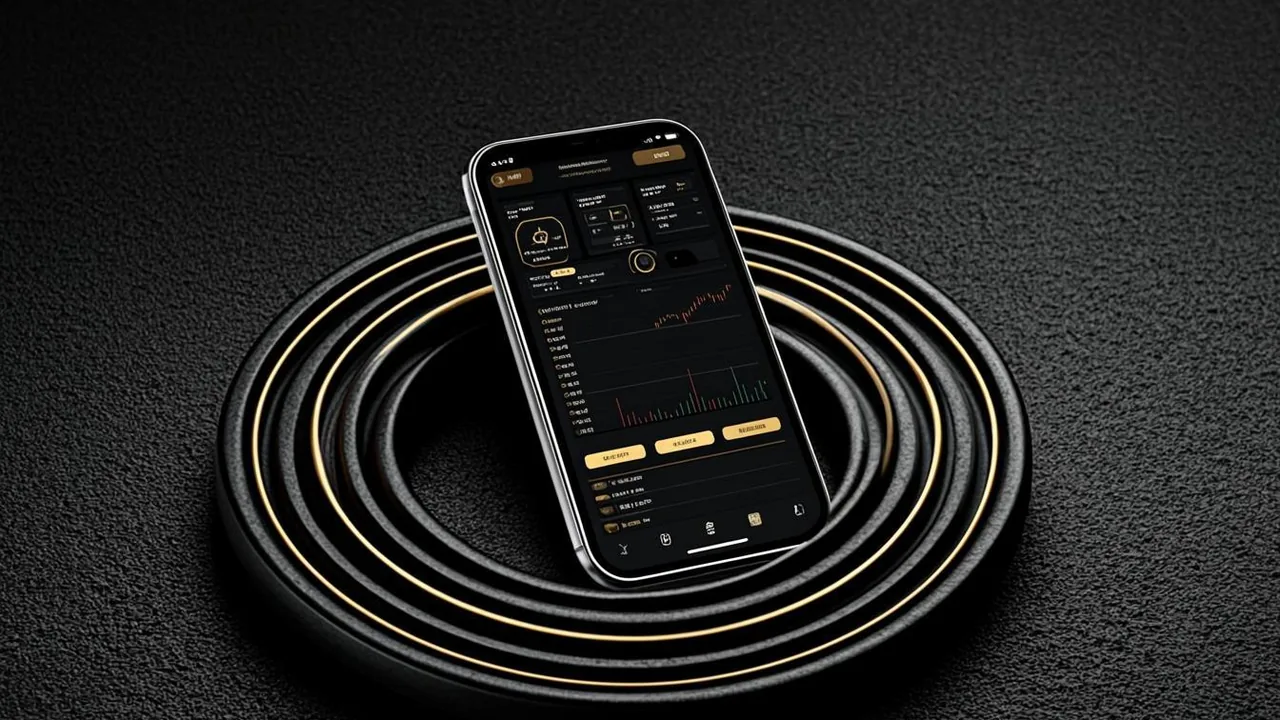
MuchBetter is a mobile payment app that works as an e-wallet: funded from your bank or debit card, held in the app, and spent at merchants through the phone. It was built with gaming merchants in mind from the start, which shapes everything about it — the merchant categories it supports, the cashier integrations casinos offer, and the controls it wraps around spending. At the time of writing it appears in the cashier lists of a fair number of casino brands, particularly those whose merchant policies welcome gambling without fuss. The name is descriptive rather than romantic, and the product is largely what the name suggests.
Its niche is easy to state. Mainstream wallets tightened their gambling policies over the years, card processors wobble around gaming merchants, and a gap opened for an app that treats casinos as a normal line of business rather than a compliance emergency. MuchBetter filled that gap with a deliberately tidy product: an account in your name, a card detail that refreshes itself, and in-app authorisation for everything. Casinos integrated it because their players asked; players adopted it because it behaves like a wall between a bank account and a casino balance.
This page covers the mechanics rather than the marketing: how pairing and the dynamic security details work, where the fee tiers bite, what deposits and withdrawals feel like in practice, and — since fit differs by player — where the app beats a card and where a card remains the simpler tool. One honest note before the detail: this site compares offshore-facing brands, where no UK licence sits behind the cashier, and MuchBetter appears there often precisely because its merchant policy welcomes casinos.
Device pairing and the dynamic CVV
Pairing is the app's first defence. An account binds to one phone, and payments authorise inside that phone with a PIN or biometrics, so a stolen password alone does not move money. Set the app up on a new device and the old pairing has to be deliberately released, which is a small friction that pays for itself the first time a handset goes missing. None of this is exotic; it is the same shape as a banking app, applied to a casino cashier, and it works for the same reasons.
Dynamic CVV is the detail most often praised, and fairly. Card details held in the app refresh periodically, so the three-digit code printed on a normal card simply does not stay still here. A number skimmed from an old statement or a forgotten screenshot goes stale on its own, and each casino deposit still authorises inside the app rather than on the merchant's page. The security value is real, though it deserves an honest hedge: it shrinks one attack route, not all of them, and no payment detail replaces basic account hygiene.
Friction deserves a mention, because it cuts both ways. In-app confirmation adds a few seconds to every deposit, which is trivial on a good day and genuinely useful on a bad one, when a pause between wanting and spending is worth more than the seconds cost. Players who want zero distance between urge and bet will find the app mildly annoying, and that is not a design flaw. A wallet that asks once more than a card does is quietly doing limit work on your behalf, unpaid. Treat the pause as a feature you are renting for free.
| Term | Typical at the time of writing |
|---|---|
| Headline offer | MuchBetter as a casino rail |
| Entry cost | £10 typical minimum |
| Typical wagering | None on deposits themselves |
| Typical expiry | Instant to 3 working days |
| Where it bites | Method availability varies by brand |
Fees: the tier list nobody reads
Fees at MuchBetter are tiered, and the tiers depend on account activity, so the schedule in the app matters more than any summary written about it. Funding methods differ in cost, with some free and some charged; converting between currencies commonly carries a percentage fee; and certain account states, such as sitting unused for months, can attract their own charges. At the time of writing the broad shape is standard e-wallet economics rather than anything exotic. The detail is where the reading earns its keep.
Take a receipt for the shape. Suppose you fund the app with £100 by a free method and deposit at a euro-denominated site, with conversion commonly costing somewhere between 0.5% and 1.5%: that is 50p to £1.50 gone before a single spin, invisible unless you look. Suppose the same cashier charges a flat £2 to return a withdrawal to the app, as some operators do: another slice. None of these numbers is scandalous on its own. Added up across a month of deposits, they become a subscription most players never notice buying. Both figures are illustrative; the point is the direction, not the decimal.
Where fees hide is predictable once you know the habits: currency conversion on non-sterling sites, withdrawal charges set by the operator rather than the app, and inactivity clauses nobody reads in month one. The defence is a two-page read — the app's own fee schedule and the cashier's payments page — and it takes less time than one session. Any rail that moves money will charge somebody somewhere; the only question worth asking is whether it is you, on purpose, or you, by surprise.
Deposits: speed and limits
Speed is the app's quiet selling point, and it arrives in two steps. Top the wallet up from your bank or card — commonly instant, occasionally a few minutes depending on the funding method — then deposit at the cashier, where the credit is typically immediate. The two-step shape looks slower on paper and rarely does in practice, since both legs are app taps. What actually varies between sites is not the rail's speed but the operator's own deposit processing, which is instant nearly everywhere for e-wallet money.
Limits stack from three directions: the app's own funding caps, the cashier's minimum and maximum, and whatever daily ceiling you set yourself in the app's controls. The useful trick is keeping the wallet balance modest, because a pre-funded app is a spending brake that no willpower has to operate at eleven at night. A card deposit draws on everything in the account behind it; a wallet deposit draws on £40 and then stops. That difference sounds small and plays large across a month of evenings.
Bonus eligibility is the last check before the first deposit, because some operators exclude particular payment methods from their offers and wallet deposits sometimes land on that list. Read the bonus terms for a payments clause before claiming anything, since a deposit that misses the offer cannot be repaired afterwards. Where MuchBetter deposits do qualify, they qualify like any other: the wagering, the game weighting and the cap apply to the money itself, not to the rail that carried it in.
| Brand | Licence | Welcome offer | Wagering | Min dep. | Withdrawal | Payments |
|---|---|---|---|---|---|---|
| 10bet | Offshore | 100% up to €200 + spins (typical range) | 40x typical | €20 | 1–3 working days | Visa · Mastercard · Skrill · Neteller |
| Lottoland | UKGC | Matched first play up to £50 (typical) | Winnings paid cash — no wagering | £10 | 24–48h e-wallets | Visa · Mastercard · Skrill · Apple Pay |
| Goldenbet | Offshore | 100% up to €/£1,000 + spins (typical range) | 35x typical | €10 equivalent | 24–48h (crypto fastest) | Bitcoin · Litecoin · Visa · Bank transfer |
| JackpotJoy | UKGC | Spend £10 play with £40–£70 (typical) | 2x–4x bingo / 40x pokies | £5–£10 | 1–2 working days | Visa · Mastercard · PayPal · Pay by mobile |
| Fat Pirate | Offshore | Crypto match up to 1 BTC equivalent (typical) | 45x typical | €20 equivalent | 24–48h (crypto fastest) | Bitcoin · Litecoin · Visa · Bank transfer |
| Genting Casino | UKGC | Matched deposit up to £/€200 (typical) | 40x typical | £10–£20 | 1–3 working days | Visa · Mastercard · Skrill · Apple Pay |
| JackpotCity | Offshore | 100% up to €/£100 + 50 spins (typical) | 30x typical | €10–€20 | 2–5 working days | Visa · Mastercard · Trustly · Bank transfer |
| Foxy Bingo | UKGC | £30–£50 bingo bonus on £10–£20 (typical) | 2x–4x bingo / 40x pokies | £10 | 24–48h e-wallets | Visa · Mastercard · PayPal · Pay by mobile |
| NineWin | Offshore | Matched deposit up to €/£500 + spins (typical) | 45x typical | €10–€20 | 24–48h (crypto fastest) | BTC · ETH · USDT · MuchBetter |
| NYSpins | UKGC | 100% up to £/€100 + spins (typical) | 35x typical | £10–£20 | Under 24h e-wallets | Visa · Mastercard · Neteller · Pay by mobile |
| PlayOJO | UKGC | 50–100 wager-free spins (typical range) | Wager-free spins marketed | £10–£20 | 1–2 working days | Visa · Mastercard · Neteller · Pay by mobile |
| Sun Bingo | UKGC | Spend £10 play with £40–£70 (typical) | 40x bonus / 2x bingo | £5 | Under 24h to PayPal | Visa · Mastercard · PayPal · Pay by mobile |
Withdrawals back to the app
Withdrawals to the app work wherever the cashier supports the rail, and they are usually the fast lane at a casino. E-wallet payouts, once approved, commonly clear within a day, ahead of card and bank transfers which typically need several working days. From the app, money moves to your bank like any wallet balance. The honest average for the whole journey offshore is therefore better than cards but entirely dependent on the operator's approval queue, which is the one step no payment rail can speed up.
Every two-leg journey deserves a receipt. Say a £150 withdrawal is approved on a Tuesday: leg one lands it in the app, commonly inside 24 hours at established offshore brands; leg two moves it to your bank, commonly one to three working days depending on the app's transfer schedule and your bank's own pace. Every figure there is hedged for a reason — approval times, weekend cut-offs and first-payout checks all move the dates. What the receipt fixes is the shape: two legs, two clocks, and patience priced in.
Watch three details at the first withdrawal. Verification typically precedes the first payout at any offshore site, so send documents early and unprompted rather than waiting to be chased. Names must match between the casino account and the app account, which is why the wallet should be registered to the same name you play under. And some operators apply closed-loop rules, returning only the deposited amount to the original rail and sending winnings elsewhere — a wrinkle worth reading about before it surprises you at the cashier.
Where MuchBetter beats cards, and loses
Against cards, the app wins on several honest fronts. No static card number reaches the merchant, since the dynamic details refresh and every payment authorises in-app. Statements stay tidy, with casino spending parked in one app instead of scattered across a bank line. The pre-funded balance does quiet budgeting work. And acceptance is broader than people expect at gaming merchants, because the wallet was built for them while card processors were not. For a regular casino player, that is a genuinely better tool.
Losses are equally plain. Acceptance is narrower than Visa or Mastercard, so the rail cannot be your only one. Fees cluster around conversion and transfers, where a debit card is commonly free. The two-step flow annoys casual players who deposit twice a year. Most importantly, wallet transfers generally do not carry the dispute rights that card schemes provide, so a problem payment is a conversation with support rather than a chargeback form. That last point is structural, and it belongs in every honest wallet-versus-card comparison.
Fit, then, follows habit rather than fashion. A frequent player who deposits weekly, values in-app controls and keeps modest balances gets real value from the app. A once-a-season visitor gets friction and fees for the privilege, and should simply use a debit card plus a bank-side gambling block. The rail is not a loyalty question; it is a usage question, and usage changes. Revisit the choice if your habits do, because the best rail for last year's routine is not automatically the best rail for this one.
Setting the app up properly
Setup done once, properly, saves every later headache. Verify your identity inside the app when you open the account, because the wallet runs its own checks and doing them early keeps withdrawals smooth. Register it in your legal name, the same one you use at casinos, since payout matching depends on it. Set a strong PIN and enable biometrics on the paired device. Fund the account through the cheapest method your tier allows, which at the time of writing is commonly bank transfer rather than card top-up. Do all of that before the first deposit, not after, because every step is cheaper without money already at stake.
Hygiene after setup is a short list. Keep the balance modest and treat the app as a conduit rather than a bank. Read the fee schedule once, properly, including the inactivity clause. When you change phones, release the old pairing deliberately rather than abandoning it. Check the account tier occasionally, because tier drift changes fees quietly. None of this is complicated; all of it is the difference between a tool you operate and a tool that operates you.
One honest closing note belongs here, because payment pages drift into advertising. MuchBetter is a good rail, not a safeguard: it moves money cleanly and adds useful friction, and it does nothing about the terms at the other end. If control is the goal, pair the app with bank-side blocks and your own deposit habits, and judge casinos by the same checklist as any other rail — fees, limits, and the exit test. The tool is worth having. It is just not a substitute for reading.
Frequently asked questions
Is MuchBetter safe for casino payments?
Broadly yes, with the usual wallet caveats. Payments authorise on one paired device with PIN or biometrics, and the card details held in-app refresh periodically, so a copied static number goes stale. The residual risk is not the rail but the casino: an unreliable operator can slow or refuse payouts whatever paid them in. Keep app balances modest, verify early, and treat the app's security as one layer rather than the whole wall.
What fees does MuchBetter charge?
Expect a tiered schedule, worth reading inside the app itself. Funding costs vary by method, with some free and some charged; currency conversion commonly carries a percentage, so sterling-to-euro movement has a price; inactivity fees can appear after months of disuse; and operators set their own charges on withdrawals independently. At the time of writing the broad shape is standard e-wallet economics, and the two pages to read are the app's fee schedule and the cashier's own table.
Can I withdraw to MuchBetter?
Yes, wherever the cashier supports the rail, and it is usually among the faster options once the operator approves the payout — commonly inside a day at established offshore brands, with card and bank rails typically slower. From the app, moving money to your bank is a separate transfer with its own clock. Expect identity verification before the first payout, and check any closed-loop rule that limits how much returns to the original rail.
Do all casinos accept MuchBetter?
No, and acceptance is the rail's honest weak point. It is common at gaming-friendly brands, including many offshore-facing casinos, but far from universal, and some UK-facing operators never list it at all. The check takes ten seconds: open the cashier page before registering and look for the wallet's logo among the deposit methods. If it is absent, decide whether the site is worth a second rail, because you will need one for withdrawals.
Do MuchBetter deposits qualify for bonuses?
Sometimes, and the terms decide rather than the app. Some operators exclude particular wallets from their offers, particularly on matched-deposit deals, while others accept wallet deposits like any other. The clause lives in the bonus terms, usually under payment method exclusions, and reading it takes under a minute. A deposit that misses the offer cannot be fixed afterwards, so make the payment-method check before the first deposit rather than during the complaint that follows it.
What happens if I lose my phone?
Freeze the account first: MuchBetter support can deactivate access, and the pairing is device-bound, so a thief with the handset cannot authorise payments without the PIN or biometrics. Funds sit in the account rather than on the phone, so nothing is lost with the hardware. On a replacement device, re-pair deliberately and reset your credentials. The five minutes spent on a strong PIN and biometrics at setup is what makes the whole episode a nuisance rather than a loss.